
Body Contouring: What Is It and How Does It Work?
Stubborn areas can be frustrating when diet and exercise have already become part of your routine. Body contouring focuses on improving the shape or appearance of specific areas rather than reducing overall body weight. In simple terms, what is body contouring? It is a group of treatments that refine body shape. Options may target localised fat or skin firmness.
Surgical contouring can involve procedures that remove excess skin or fat. Non-surgical approaches aim to shape selected areas without surgical incisions. They can be considered when someone wants to refine a particular area. For many people, the appeal lies in addressing a specific concern that remains noticeable despite healthy habits. It is not a substitute for overall weight management.
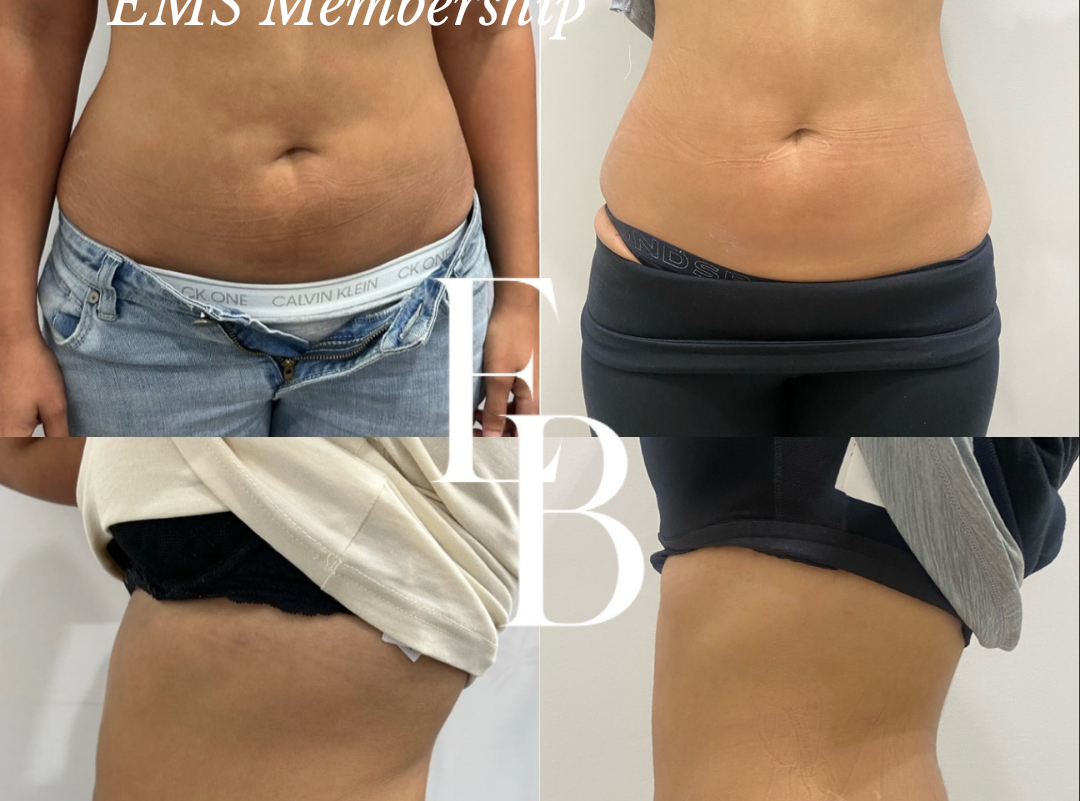
How Does Body Contouring Actually Work?
Each body contouring treatment works differently, depending on the technology used. Different technologies target different concerns, so they do not all work through the same process. Some approaches focus on fat, while others aim to improve the appearance and firmness of the skin.
Non-surgical options may use controlled heat, ultrasound or radio frequency. The chosen technology determines how the treatment interacts with the targeted area. Results can also develop gradually, and most approaches may require multiple sessions before changes become noticeable. The treatment plan therefore depends on the technology being used. The selected method also affects the expected treatment experience. This helps explain why one approach should not be compared directly with another.
For example, a treatment aimed at localised fat works differently from a skin tightening treatment. Fat-focused approaches are intended to refine areas where stubborn fat is a concern. Skin-focused approaches instead aim to improve the appearance of firmness and definition.
What Body Concerns Can Body Contouring Help With?
Body contouring for stubborn fat may appeal to people who notice small areas that remain less defined. These areas can include the stomach, thighs, arms and love handles. The aim is usually to refine a particular area rather than change the whole body. The desired outcome may involve a more defined or balanced appearance.
Common body contouring treatment areas include:
Stomach
Arms
Inner thighs
Outer thighs
Front of thighs
Back of thighs
Banana roll
Back fat
Love handles
Some people may also be concerned about reduced skin firmness after changes in body shape. Body contouring for loose skin depends on the treatment used and the degree of laxity present. An assessment helps identify whether the main concern involves fat, skin firmness or overall definition.
Fat Cavitation vs RF Skin Tightening: What’s the Difference?
Body contouring is an umbrella term that covers treatments with different purposes. Fat cavitation is generally used to address localised fat concerns and support body shaping. RF skin tightening focuses more on the appearance and firmness of the skin.
Fat cavitation uses ultrasound-based technology to target the treatment area. RF skin tightening uses radio frequency energy to deliver controlled heat into the targeted area. These different mechanisms can make one option more suitable for a fat concern. Another option may be more appropriate when skin firmness is the main concern. The distinction matters when setting realistic treatment expectations. It can also guide treatment planning.
Consider someone who has a small area of stubborn fat around the waist. A fat-focused fat reduction treatment may be considered for that concern. Someone with less skin firmness may instead need an approach focused on skin appearance.
Neither option should be viewed as a universal solution for every body concern. Treatment suitability depends on the area, the concern and the desired outcome. A consultation can help determine which body contouring treatment is more appropriate for the individual goal.
What Happens During a Body Contouring Appointment?
A non-surgical appointment usually begins with a discussion about the area you want to address. The treatment provider can review your concerns, goals and the condition of the selected area. This helps determine which body sculpting treatment may be appropriate.
The area is then prepared according to the technology being used. A device or applicator may be positioned over the treatment area, depending on the chosen approach. You may notice sensations that vary with the technology, so the experience is not identical for every treatment.
Treatment time can vary according to the technology and the size of the area being treated. Your therapist will explain what to expect during and after the appointment.
How Many Sessions Might You Need?
The plan can depend on the treatment type, treatment area, individual goals and response to treatment. Some non-invasive body contouring treatments are completed over several sessions rather than in a single appointment.
For example, one person may need a planned series to address a particular concern. Another person may have different needs because the treatment area or technology differs. This is why a consultation and assessment is more useful than relying on a standard session number.
Results can also become more noticeable over time. The body may need time to respond to the selected treatment between appointments. Your therapist will discuss a suitable treatment plan and explain when changes may reasonably be assessed.
What Results Can You Expect From Body Contouring?
The main aim of body contouring is to improve the appearance or definition of a specific area. People often ask, does body sculpting work when a small area remains difficult to refine? It is not designed to replace healthy weight management or produce general weight loss.
Visible changes can develop gradually, particularly with non-surgical approaches. The timing depends on the technology, treatment area and individual response. Progress should therefore be assessed against the agreed treatment plan. A change in body shape may also be more noticeable than any change shown on the scales.
Body contouring results can vary between people, even when the same treatment is used. Factors such as the starting point, treatment plan and individual response can influence what becomes visible. Maintaining balanced nutrition and regular activity can support overall body composition.
How Do You Know If Body Contouring Is Right for You?
Non-surgical body contouring may be worth considering if a specific area concerns you more than your overall weight. It may be considered for localised fat, reduced skin firmness or a desire for greater body definition. The most suitable non invasive fat reduction or skin-focused option depends on the concern being addressed.
Realistic expectations are important before starting any treatment. Not every technology is suitable for every person or treatment area. A consultation can help review your goals, relevant health considerations and the options available.
The right approach should match the concern rather than simply choosing the most popular treatment. This can make the treatment plan more focused and easier to understand. It also gives you an opportunity to discuss expected results, possible aftercare and any questions before proceeding.

Exploring Fat Cavitation and RF Skin Tightening
Empowering Beauty offers non-surgical options for clients exploring different approaches to body shaping. Body sculpting options include fat cavitation for localised fat concerns and RF skin tightening for skin firmness. Understanding each treatment can make your assessment more focused.
Fat cavitation and RF skin tightening use different technologies and address different concerns. One may be considered when localised fat is the main focus, while the other may suit concerns about skin appearance.
You can also explore the fat cavitation for treatment-specific information. An individual assessment can help identify the most appropriate option for your needs. The treatment plan can then reflect the area being addressed and your expectations.
Is Body Contouring Worth Considering?
Body contouring can be worth considering when the goal is to refine one specific area. Different technologies address different concerns, so treatment choice should follow the goal. Body contouring benefits may include improved appearance or definition, but outcomes vary.
Fat cavitation and RF skin tightening are not interchangeable treatments. One generally focuses on localised fat concerns, while the other focuses more on skin firmness.
Understanding this difference can help set realistic expectations before starting treatment.
If considering body contouring, speak with the Empowering Beauty team about your goals. A suitable assessment can help identify the most appropriate option for the area you want to address. The right plan should be based on your needs, realistic expectations and the treatment available.
FAQs
What is body contouring?
Body contouring refers to treatments designed to reshape or refine specific areas of the body. Non-surgical options may focus on localised fat or skin firmness. They are generally not intended to replace overall weight-loss methods.
Does body contouring help you lose weight?
Body contouring is not a weight-loss treatment. It focuses on improving selected areas rather than reducing overall body weight.
How does non-surgical body contouring work?
Non-invasive body contouring treatments use different technologies, so the mechanism varies. Some approaches use heat, cooling or ultrasound for specific concerns. Others focus on skin firmness.
Is body contouring suitable for everyone?
Body contouring is not automatically suitable for every person or treatment area. Suitability depends on the individual concern, goals and selected technology. A consultation can help determine whether a particular body contouring treatment is appropriate.
How long does it take to see body contouring results?
Body contouring results can take time to become noticeable, especially with non-surgical treatments. Timing varies with the technology, treatment area and individual response. Your therapist can explain when changes may be reviewed.
What is the difference between fat cavitation and RF skin tightening?
Fat cavitation is generally focused on localised fat concerns and body shaping. RF skin tightening focuses more on the appearance and firmness of the skin. Because their purposes differ, the more suitable option depends on the concern being addressed.


Comments